
When Meditation Feels Like Torture
(And What It Says About Your Nervous System)
Meditation can feel like torture instead of relaxing when the nervous system is dysregulated or hypervigilant. Stillness isn’t automatically restful for an activated nervous system; it can initially feel unsafe. Somatic work helps build the capacity for stillness gradually, so meditation becomes something you can actually settle into over time.
Have you ever looked at a Buddha statue and thought, “Wow, he looks so peaceful. I want that”? That’s exactly what happened to me. I thought: I’m going to meditate, and I’m going to feel that peaceful.
So I sat down to meditate. And I was like, “You’ve got to be kidding me. This is torture.”
I had no idea at the time that my nervous system was so dysregulated. I was used to being on: doing, thinking, moving, accomplishing. And I was also really hypervigilant, constantly scanning for what might happen next. So slowing down felt incredibly uncomfortable.
Maybe you can relate.
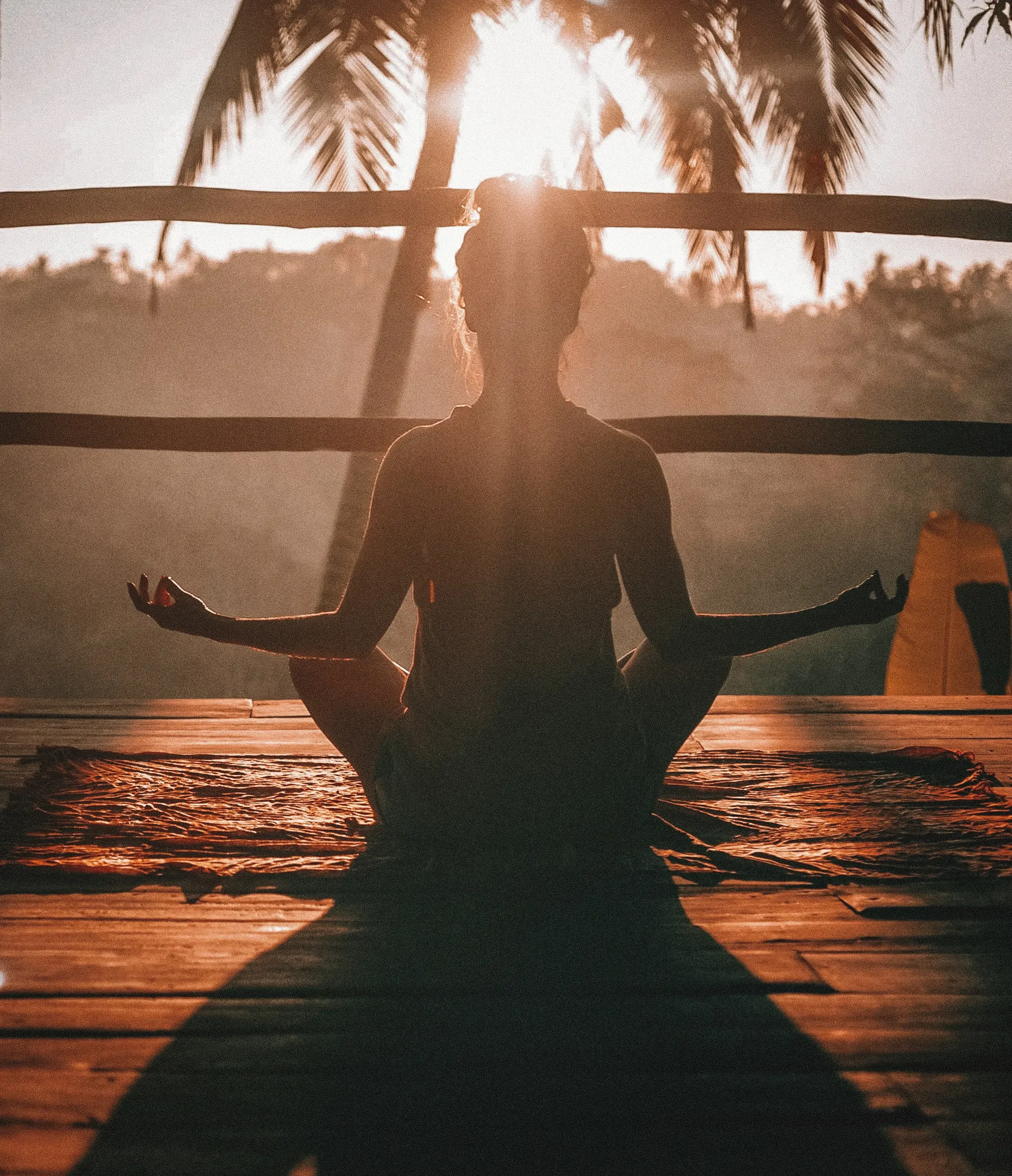
Why Stillness Can Feel Like the Opposite of Relaxing
If meditation has ever left you more agitated than when you started, you’re not broken, and you’re not doing it wrong. This is one of the most common experiences in nervous system regulation work, and one of the least talked about. A nervous system that has spent years in a state of activation doesn’t simply relax on command just because you’ve decided to sit down and close your eyes.
For a system used to constant motion, doing, or vigilance, stillness can register as unfamiliar territory, sometimes even as a kind of exposure. Instead of settling, the body may respond by amplifying discomfort: racing thoughts, physical restlessness, irritability, or a sudden urge to get up and do something, anything, else.
Signs Your Nervous System May Be Too Activated for Stillness
If sitting still to meditate has ever felt unbearable, some of these may sound familiar:
A strong urge to move, fidget, or get up almost as soon as you sit down
Racing or intrusive thoughts that seem to get louder in silence
A background hum of hypervigilance, scanning for what might happen next
Irritability or agitation that builds the longer you try to stay still
A felt sense that slowing down is somehow unsafe, even when nothing is wrong
Exhaustion afterward, as though stillness took more effort than rest
None of these mean meditation “isn’t for you.” They usually mean your nervous system needs support building the capacity for stillness before stillness can feel restful.
“Sometimes rest doesn’t feel restful when your body is used to being highly activated.”
This is one of the more counterintuitive truths of nervous system work: the thing that’s supposed to calm you down can, at first, do the opposite. That’s not a contradiction. It’s information. It tells you where your nervous system actually is, rather than where you think it should be.

Meditation Isn’t About Getting to Peaceful
These days, thankfully, meditation isn’t quite so unbearable. What’s shifted isn’t that everything finally feels calm on command. It’s the understanding that meditation was never about arriving at peaceful. It’s about learning to be with yourself as you are, no matter what you’re feeling.
That reframe changes everything. The goal stops being “achieve stillness” and becomes “stay present with whatever is here, even when it’s uncomfortable.” Over time, that capacity to stay, rather than force calm, is what actually builds a sustainable, honest meditation practice.
If Slowing Down Feels Hard, You’re Not Alone
Many people quietly give up on meditation, assuming it simply isn’t for them. More often, what’s missing is nervous system support alongside the practice, not more willpower to push through discomfort. There’s more than one way to build that support:
1:1 Somatic Sessions: personalized, paced nervous system work with a trained facilitator tracking your process. Good fit if you want individualized support and a deeper, ongoing process.
Community Classes: group meditation and somatic practice in a warm, low-pressure setting. Good fit if you do well with gentle structure and shared practice.
Retreats: immersive time away to slow down and reset with dedicated guidance and space. Good fit if you have the capacity for a deeper reset and want a fuller container.
There’s no single right entry point. Only the one that feels most possible for you right now.
Ready to Begin?
If slowing down feels hard for you too, you’re not alone. I offer 1:1 somatic sessions, community classes, and retreats to support you in coming home to yourself. You can book a free consultation to explore what fits best.
FAQ
Why does meditation feel uncomfortable or even torturous for me?
Often it’s not a sign you’re doing it wrong. It’s a sign your nervous system is used to being highly activated. When the body is accustomed to doing, scanning, or staying alert, stillness can feel unfamiliar and even unsafe at first, rather than relaxing.
Is it normal to feel restless or anxious when trying to meditate?
Yes, very normal. Restlessness or anxiety during meditation often reflects a dysregulated nervous system, not a personal failure or a lack of discipline. Many people experience this, especially early on.
Do I need to feel calm during meditation for it to be working?
No. Meditation isn’t about arriving at a peaceful state on command. It’s about learning to be present with whatever you’re feeling, calm or not. That capacity to stay with yourself is the practice itself.
What if stillness makes my anxiety worse?
For some nervous systems, especially those shaped by chronic stress or trauma, sudden stillness can increase discomfort rather than ease it. Working with a trained facilitator can help you approach stillness gradually and safely, at a pace your body can tolerate.
How can somatic work help if meditation alone hasn’t worked for me?
Somatic facilitation works directly with nervous system regulation, so the body has support building capacity for stillness before meditation is expected to feel restful. This often makes meditation more accessible over time, rather than something to push through alone.
About Josie Kramer, MA, SEP, LMT, CYT, CHC
Josie Kramer is a somatic and transpersonal facilitator with 18 years of professional experience supporting individuals through embodied healing, nervous system work, and integrative processes. Based in Rosarito, Mexico, she works with clients throughout California and the wider U.S. through 1:1 sessions, community classes, retreats, and online offerings grounded in somatic facilitation and transpersonal psychology.